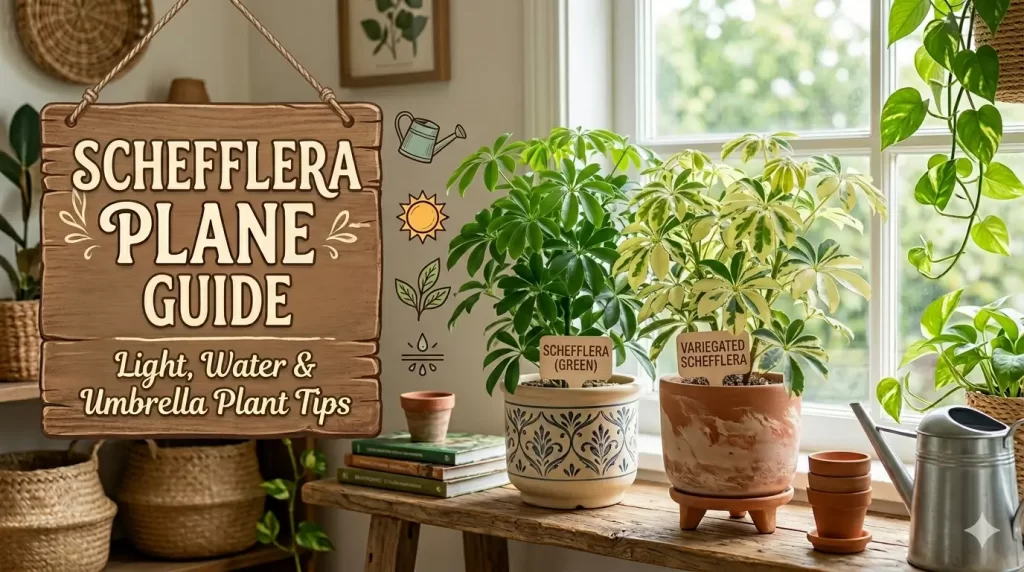

Schefflera Plant Care Guide for Beginners: Grow a Healthy Umbrella Plant at Home
Schefflera, also known as the umbrella plant, is one of the easiest indoor plants for beginners. It looks lush, grows well in homes, and does not demand constant attention. If you recently bought one or want to understand how to care for it properly, this guide will help you keep it healthy and attractive.
Quick Summary
| Best for | Beginners and indoor plant lovers |
|---|---|
| Light | Bright indirect light |
| Watering | Water when the top 1 to 2 inches of soil feels dry |
| Main risk | Overwatering and poor drainage |
| Growth | Moderate, faster in better light |
| Propagation | Stem cuttings in water or soil |
| Pet safety | Mildly toxic if ingested |
Why This Guide Exists
If you are searching for Schefflera plant care, you probably want clear answers without confusion. Maybe you have just brought one home, maybe your plant is dropping leaves, or maybe you want to avoid common mistakes before they happen. This article is written for beginners and home gardeners who want practical advice that actually works.
By the end of this guide, you will know what your Schefflera needs, what problems to watch for, and what simple steps help it stay healthy over time.
What Is a Schefflera Plant?
Schefflera is a popular houseplant known for its glossy, umbrella-shaped leaf clusters. Its neat form and tropical look make it a favorite for living rooms, offices, balconies, and indoor corners that need greenery.
The two most commonly known varieties are Schefflera arboricola, often called the dwarf umbrella plant, and Schefflera actinophylla, which grows larger. For indoor spaces, most people prefer the dwarf variety because it is easier to manage and better suited to containers.
Why People Love the Umbrella Plant
Schefflera is not just attractive. It is also practical. It gives a room a full, green look without requiring expert-level care. For people who want a plant that looks impressive but stays manageable, it is a strong choice.
| Benefit | Why It Matters |
|---|---|
| Decorative appearance | Adds a lush and clean look to indoor spaces |
| Beginner-friendly care | Does not require daily attention |
| Works well indoors | Suitable for homes, apartments, and offices |
| Easy to shape and prune | Can be maintained according to available space |
| Simple to propagate | You can grow new plants from healthy cuttings |
Schefflera Plant Care Guide
If you want your umbrella plant to thrive, focus on a few basics: light, water, soil, temperature, and feeding. Most care issues come from getting one of these wrong, especially watering.
1. Light Requirements
Schefflera grows best in bright indirect light. Place it near a window where it gets good natural light, but avoid harsh direct afternoon sun. Too much direct sunlight can scorch the leaves, while too little light can make the plant leggy and weak.
If the stems start stretching and the leaves look sparse, that is often a sign it needs more light. A bright room with filtered sunlight is usually ideal.
2. Watering Schedule
Watering is the most important part of Schefflera care. The plant does not like constantly wet soil. Let the top 1 to 2 inches of soil dry out before watering again. In many homes, this means watering about once every 7 to 10 days, though the actual timing depends on heat, humidity, pot size, and season.
During cooler months, the plant usually needs less water. During warm weather, it may need slightly more frequent watering.
Overwatering is the most common reason Schefflera plants struggle indoors. If the soil stays wet for too long, the roots can rot and the plant may start dropping leaves.
3. Soil and Drainage
Use well-draining soil so water does not collect around the roots. A mix that includes garden soil, cocopeat, compost, and perlite works well for many indoor growers. The exact mix can vary, but the goal is always the same: the soil should hold some moisture without staying soggy.
The pot must have drainage holes. Without proper drainage, even a good soil mix can become a problem.
4. Temperature and Humidity
Schefflera prefers warm indoor temperatures and does well in normal household conditions. It usually grows comfortably in temperatures between 18 and 30 degrees Celsius. Avoid placing it near direct air conditioner flow, heaters, or cold drafts from windows and doors.
Moderate humidity is enough for this plant. In very dry indoor conditions, wiping the leaves and keeping the environment stable can help more than frequent changes in placement.
5. Fertilizer Needs
Feed your Schefflera once a month during the active growing season with a balanced liquid fertilizer. This supports healthy leaf growth and overall vigor. Do not over-fertilize, because too much feeding can stress the roots and create more harm than benefit.
If growth slows during colder months, reduce feeding or pause until active growth returns.
Common Problems and Easy Fixes
Even healthy plants can face issues from time to time. The good news is that most Schefflera problems are fixable when caught early.
| Problem | Likely Cause | What to Do |
|---|---|---|
| Yellow leaves | Overwatering or poor drainage | Let the soil dry out, check drainage, and reduce watering |
| Leaf drop | Sudden movement, low light, or stress | Keep the plant in a stable bright spot and avoid frequent relocation |
| Brown leaf edges | Dry air, inconsistent watering, or heat stress | Keep watering regular and avoid hot dry airflow |
| Slow growth | Low light or lack of nutrients | Move to a brighter area and feed during the growing season |
| Sticky leaves or pests | Aphids, spider mites, or scale | Wipe leaves and treat with neem oil or mild soap solution |
How to Propagate Schefflera
One of the most rewarding things about Schefflera is how easy it can be to propagate from stem cuttings. This is a simple way to multiply your plant or rescue healthy growth during pruning.
- Choose a healthy stem with a few leaves.
- Cut just below a node using clean scissors or pruners.
- Place the cutting in water or moist, well-draining soil.
- Keep it in bright indirect light.
- Wait for roots to develop over the next few weeks.
- Once roots are established, transfer it to a pot if needed.
Propagation works best when the parent plant is healthy and actively growing.
Real Tips That Make a Big Difference
Many plant care articles repeat the basics, but real-world care often comes down to small habits that keep the plant stable and stress-free.
- Do not move your Schefflera around too often. Sudden location changes can lead to leaf drop.
- Rotate the pot every few weeks so all sides receive light evenly.
- Wipe dust off the leaves gently so the plant can absorb light better.
- If a few leaves drop after bringing it home, do not panic. Mild adjustment stress is normal.
- Always check the soil before watering instead of following a fixed calendar.
Is Schefflera Good for Indoor Homes?
Yes, especially for people who want an easy-care plant that still looks elegant. It works well in bedrooms, living rooms, entryways, and offices with decent natural light. Because it is adaptable and visually appealing, it fits both modern and traditional interiors.
It is especially useful for beginners who want to build confidence with houseplants before moving on to more demanding species.
Is Schefflera Safe for Pets?
Schefflera is considered mildly toxic if ingested, so it is better to keep it out of reach of cats, dogs, and small children who may chew on leaves. If you have pets that regularly nibble plants, place it in a safer location or choose a pet-safe alternative.
Frequently Asked Questions
Is Schefflera a good plant for beginners?
Yes. It is one of the easiest indoor plants to grow if you provide bright indirect light and avoid overwatering.
How often should I water a Schefflera plant?
Water when the top 1 to 2 inches of soil feel dry. In many indoor conditions, this is about once every 7 to 10 days, but always check the soil first.
Can Schefflera survive in low light?
It can tolerate lower light, but growth may slow down and the plant may become leggy. Better light usually means healthier growth.
Why is my umbrella plant dropping leaves?
Leaf drop often happens بسبب overwatering, stress from sudden relocation, poor light, or temperature changes. Review recent changes in care and environment.
How fast does Schefflera grow?
It has a moderate growth rate. In warm conditions with good light and regular feeding, it can grow steadily during the active season.
Why Schefflera Is a Strong Blog Topic
If you create content around plants, gardening, or home decor, Schefflera is a valuable topic because it serves a wide audience. Beginners search for simple care guides, plant owners search for problem-solving content, and decor-focused readers search for attractive indoor plant options.
It also opens the door to related articles that strengthen topical authority on your site, such as:
- Best indoor plants for beginners
- How to fix yellow leaves on houseplants
- Best soil mix for indoor plants
- Easy plants to propagate at home
- Low-maintenance plants for Indian homes
Final Thoughts
Schefflera is one of those plants that rewards consistency more than complexity. You do not need advanced gardening knowledge to grow it well. Give it bright indirect light, water it only when needed, use a pot with drainage, and keep its environment stable. Those simple steps solve most problems before they start.
If you remember only three things, remember these: do not overwater it, do not leave it in very low light, and do not keep changing its location. Follow those basics, and your umbrella plant has a strong chance of staying healthy and beautiful for a long time.
Final Self-Check
This guide is built to be clear, useful, and easy to apply. It is written for real readers first, with practical advice that helps more than generic filler. If you are looking for a plant that feels rewarding without becoming demanding, Schefflera is one of the best places to start.