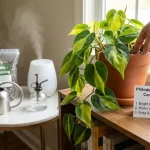
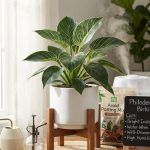
Philodendron Pink Princess Care Guide: How to Grow Healthy, Vibrant Pink Leaves
Quick Summary
- Philodendron Pink Princess is prized for its pink variegated leaves and can thrive indoors with the right care.
- Bright indirect light is the key to stronger pink color.
- Overwatering is the most common reason for problems.
- It needs chunky, well draining soil and moderate humidity.
- Pink variegation cannot be forced, but it can be supported with good light and smart pruning.
- It is slow growing and requires patience.
- Best for plant lovers who enjoy attentive care.
Philodendron Pink Princess: The Complete Human Friendly Guide
Philodendron Pink Princess has become one of the most talked about houseplants in recent years. Its dark green leaves splashed with bubblegum pink make it look almost unreal. Many people buy one expecting instant beauty, then feel frustrated when the pink fades or growth stalls.
This guide is here to solve that.
If you are a beginner, collector, or someone considering buying one, you will learn exactly how to keep this plant healthy and how to encourage beautiful variegation without myths or hype.
By the end, you should feel confident caring for your plant and realistic about what to expect.
What Makes Philodendron Pink Princess Special
This plant is not painted or genetically edited. The pink comes from natural variegation, which means parts of the leaf lack chlorophyll. That lack of green pigment reveals pink tones.
Important to know:
- Each leaf is unique.
- Some leaves may have lots of pink.
- Some may have very little.
- Variegation is partly random.
Because pink areas cannot photosynthesize well, the plant grows slower than fully green plants. That is normal.
If someone promises guaranteed bright pink on every leaf, be cautious. No one can fully control variegation.
Is Philodendron Pink Princess Good for Beginners?
Honest answer: it depends.
It is not the hardest plant, but it is also not carefree.
Good fit if you
- Enjoy checking your plants regularly.
- Have good natural light.
- Are patient with slow growth.
- Like learning plant care details.
Not ideal if you
- Forget to water for weeks.
- Have very dark rooms.
- Want fast growing plants.
- Prefer low maintenance greenery.
Many beginners succeed with it, but success comes from understanding its needs.
Care Essentials at a Glance
| Care Factor | Best Practice | What to Avoid |
|---|---|---|
| Light | Bright indirect light near a bright window with filtered light | Low light (more green leaves) and harsh direct sun (burn) |
| Water | Water when the top 1 to 2 inches of soil dries | Constantly wet soil and letting the pot sit in water |
| Soil | Chunky, well draining mix with bark and perlite | Dense soil that stays soggy |
| Humidity | Moderate humidity, ideally around 50 to 70 percent | Very dry air without support, especially near heat vents |
| Feeding | Balanced fertilizer every 4 to 6 weeks in spring and summer | Overfertilizing or feeding heavily in winter |
| Support | Moss pole or stake for climbing and larger leaves | Letting it sprawl if you want bigger growth |
Light Requirements: The Number One Factor
If there is one secret to a happy Pink Princess, it is light.
Best light
- Bright indirect light.
- Near an east or south facing window with a sheer curtain.
- Several hours of strong filtered light daily.
Too little light
- Leaves turn mostly green.
- Growth slows.
- Variegation decreases.
Too much direct sun
- Leaf burn.
- Faded colors.
- Brown patches.
A simple test: if the room feels bright and you can comfortably read without turning on lights during the day, it is likely good.
Many owners notice more pink after moving their plant closer to a bright window.
Watering: Avoid the Most Common Mistake
Overwatering kills more Pink Princess plants than anything else.
Follow this instead
- Let the top 1 to 2 inches of soil dry before watering.
- Water thoroughly, then let excess drain.
- Never let the pot sit in water.
Signs of overwatering
- Yellowing leaves.
- Mushy stems.
- Fungus gnats.
- Root rot smell.
Signs of underwatering
- Drooping leaves.
- Dry crispy edges.
- Very light pot weight.
When unsure, it is safer to wait one more day before watering.
Best Soil Mix
Regular potting soil alone is too dense.
A better mix is:
- Potting soil.
- Perlite.
- Orchid bark or coco chips.
This creates airflow and drainage.
Roots like oxygen. Dense soil suffocates them and leads to rot.
If buying pre made mixes, look for “aroid mix” or “well draining houseplant mix.”
Humidity and Temperature
Pink Princess tolerates normal home humidity but thrives with moderate levels.
Ideal humidity
- 50 to 70 percent.
If your home is dry
- Use a humidifier.
- Group plants together.
- Place near, but not on, a pebble tray.
Temperature range
- 65 to 85°F.
- Avoid cold drafts.
- Keep away from heaters and AC vents.
Stable conditions help prevent stress.
Fertilizing for Healthy Growth
This plant is not a heavy feeder, but nutrients help growth.
Simple routine
- Use a balanced liquid fertilizer.
- Feed every 4 to 6 weeks in spring and summer.
- Reduce feeding in fall and winter.
Overfertilizing can damage roots and cause salt buildup. More is not better.
How to Encourage More Pink Variegation
You cannot force variegation, but you can support it.
Helpful practices
- Provide strong indirect light.
- Prune stems that produce fully green leaves.
- Keep the plant healthy overall.
If a stem turns completely green, it may stop producing pink. Pruning back to a more variegated node can help.
Still, some unpredictability is natural.
Growth Pattern and Support
Pink Princess is a climbing plant.
Without support
- Stems may look leggy.
- Leaves may stay smaller.
With support
- Use a moss pole or stake.
- Leaves can grow larger.
- The plant looks fuller.
Many collectors see better results once the plant climbs.
Propagation Basics
Propagation is usually done through stem cuttings.
Basic method
- Cut below a node.
- Ensure the cutting has at least one node and one leaf.
- Root in water or moist sphagnum moss.
- Provide warmth and bright indirect light.
Roots often appear in a few weeks.
Remember that variegation may differ on new growth.
Common Problems and Fixes
| Issue | Most Likely Cause | What to Do |
|---|---|---|
| Leaves turning green | Not enough light | Move to brighter indirect light and rotate the plant weekly |
| Brown crispy edges | Low humidity or underwatering | Check soil moisture routine and increase humidity support |
| Yellow leaves | Overwatering or poor drainage | Let soil dry more between watering and confirm drainage is strong |
| Slow growth | Normal behavior, low light, or low nutrients | Increase light, feed lightly in the growing season, and be patient |
| Pests such as spider mites or mealybugs | Stress, dry air, or new plant exposure | Inspect weekly, isolate if needed, and treat with appropriate pest control |
Early action prevents major issues.
Is It Worth the Price?
This depends on your goals.
Worth it if you
- Love unique plants.
- Enjoy the aesthetic.
- Treat it as a hobby.
Maybe not if you
- Want fast results.
- Prefer budget plants.
- Do not enjoy plant care details.
Prices have dropped compared to a few years ago, making it more accessible.
Who Should Buy a Pink Princess
Great for:
- Plant collectors.
- Indoor decor lovers.
- Patient growers.
- People with bright homes.
Less ideal for:
- Very busy owners.
- Very dark apartments.
- Those wanting low effort plants.
Matching plant to lifestyle matters.
Final Thoughts: A Plant That Teaches Patience
Philodendron Pink Princess is not just a decoration. It is a learning experience.
It teaches:
- Observation.
- Patience.
- Consistency.
When cared for properly, it rewards you with stunning leaves that truly stand out in a home.
If you remember only three things
- Give bright indirect light.
- Do not overwater.
- Be patient with variegation.
You will already be ahead of many owners.