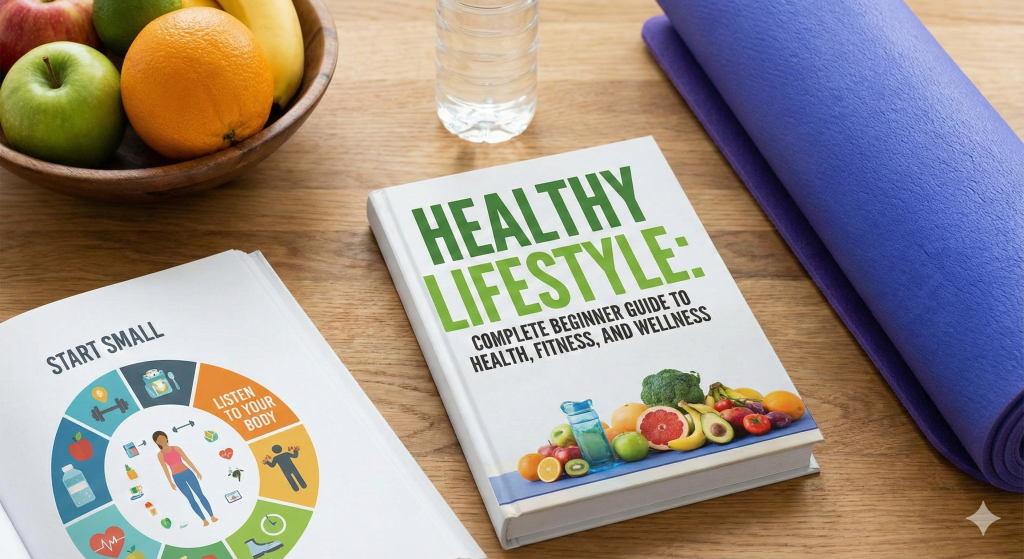

Healthy Lifestyle: Complete Beginner Guide To Health, Fitness, And Wellness
What A Healthy Lifestyle Really Means
A healthy lifestyle is not a strict diet, a heavy gym routine, or a long list of rules you must follow every day. It is a simple way of living that helps your body function better, supports your mind, improves your mood, and increases the quality of your daily life. For beginners, the goal is not perfection. The goal is to build habits that you can continue for years, not weeks.
A healthy lifestyle means you move regularly, eat balanced foods, sleep well, and manage stress with awareness. These habits protect your long term health by supporting your heart, muscles, brain, metabolism, hormones, and immune system. Most people overcomplicate health. In reality, small actions done consistently create the biggest transformation.
This guide is designed for beginners who want a clear, science based, easy to follow starting point. You will learn exactly what to do each day and week without feeling confused or overwhelmed.
The Four Pillars Of Health: Movement, Nutrition, Sleep, Stress
A balanced lifestyle depends on strengthening four pillars. When one pillar is weak, the others feel the pressure. When all four pillars improve together, you feel more energetic, stable, productive, and capable.
1. Movement
Movement is any physical activity that makes your body work. It includes walking, strength training, cardio, stretching, mobility, and daily tasks. You do not need a gym membership to get healthy. Even simple activities like brisk walking, bodyweight exercises, or short movement breaks can significantly improve your health.
Regular movement improves:
- Cardiovascular health
- Muscle strength
- Joint mobility
- Energy levels
- Metabolism
- Mental focus
- Stress resilience
Movement also helps regulate blood sugar, supports heart health, and reduces the risk of lifestyle diseases.
2. Nutrition
Nutrition fuels your body and determines how you feel throughout the day. A healthy diet is not about restriction. It is about choosing foods that support your energy, recovery, digestion, and immune function.
A helpful nutrition approach includes:
- Lean proteins
- Fiber rich vegetables
- Fruits
- Whole grains
- Healthy fats
- Adequate hydration
Good nutrition stabilizes your energy, supports muscle repair, improves digestive health, and balances hunger hormones.
3. Sleep
Sleep is one of the most powerful tools for better health. When you sleep well, your brain restores itself, your muscles repair, your hormones balance, and your emotional stability improves. Poor sleep impacts appetite, concentration, mood, recovery, and decision making.
Quality sleep improves:
- Memory
- Learning
- Immune strength
- Mood
- Recovery
- Metabolism
Sleep influences every other part of your lifestyle, especially energy and stress.
4. Stress
Stress is not always bad. Short term stress can create growth. Long term unmanaged stress harms your health by affecting your hormones, sleep cycle, mood, digestion, and immune function.
Stress management practices include:
- Deep breathing
- Walking
- Journaling
- Stretching
- Talking to someone
- Taking short breaks
- Mindfulness
- Listening to calming music
Healthy stress management helps your mind stay clear and reduces emotional overload. Together, these four pillars form the foundation of long term wellness.
Science Based Minimums For Exercise, Sleep, And Diet
Beginners often ask, “How much is enough?” Below are simplified minimums based on major global health organizations. These are general guidelines for most healthy adults.
Movement Guidelines
According to the World Health Organization and the American College of Sports Medicine:
- At least 150 minutes of moderate intensity activity per week, such as brisk walking
- Or 75 minutes of vigorous activity per week, such as jogging
- At least 2 strength training sessions per week for major muscle groups
- Daily movement such as walking, climbing stairs, or gentle stretching
- Aim for 7,000 to 10,000 steps per day if possible
- Reduce sitting by standing or moving every 30 to 60 minutes
These guidelines support heart health, muscle maintenance, mobility, and long term wellness.
Sleep Guidelines
According to the CDC and sleep health experts:
- Adults need 7 to 9 hours of sleep each night
- Maintain a consistent sleep and wake time, even on weekends
- Avoid large meals and caffeine close to bedtime
- Create a cool, quiet, dark sleeping environment
- Reduce screen time 60 minutes before bed
Good sleep improves energy, immunity, mental clarity, and recovery.
Nutrition Guidelines
Science backed nutrition principles include:
- Add protein to each meal to support muscles and hunger control
- Aim for 2 to 3 cups of vegetables daily
- Choose whole grains such as brown rice, oats, or quinoa
- Include healthy fats such as olive oil, nuts, seeds, or avocado
- Drink 6 to 8 cups of water daily, more if you are active
- Limit high sugar packaged foods and minimize deep fried foods
- Build balanced meals with protein, carbohydrates, and fats
These habits offer steady energy and reduce the risk of chronic disease.
How To Create Your First Weekly Healthy Lifestyle Plan
A weekly plan keeps you consistent and removes confusion. Think of it as a simple roadmap that tells you what to do and when to do it.
Step 1: Choose Your Movement Plan
A beginner friendly weekly structure could look like this:
- Monday: Strength training or bodyweight workout
- Tuesday: 20 to 30 minutes brisk walk
- Wednesday: Strength session or yoga
- Thursday: Short cardio session or cycling
- Friday: Strength training
- Saturday: Fun movement like hiking, dancing, or a long walk
- Sunday: Rest or gentle stretching
Keep it simple and flexible. The goal is consistency, not perfection.
Step 2: Plan Your Meals
Avoid complicated meal plans. Instead, use a repeatable structure:
- Select two breakfast options you enjoy and can prepare quickly
- Select two lunch options built around lean proteins and vegetables
- Select two dinner options that are balanced and satisfying
- Repeat them through the week and adjust portions as needed
This reduces decision fatigue and improves consistency. You can include lean proteins, vegetables, whole grains, and healthy fats to support energy and recovery.
Step 3: Build Your Sleep Routine
A healthy weekly sleep plan includes:
- A fixed sleep and wake schedule
- A relaxing pre sleep routine such as reading or stretching
- Dim lights in the evening to support melatonin production
- No caffeine after early afternoon for most people
- A light dinner at least two hours before bed when possible
Quality sleep amplifies all your other habits. When sleep improves, motivation and willpower often improve as well.
Step 4: Create Your Stress Care Plan
Choose one daily activity to support your mental and emotional health:
- A five minute breathing session
- A ten minute walk without distractions
- A short meditation or mindfulness practice
- Listening to calming music
- Journaling thoughts, gratitude, or plans for the next day
Your weekly routine becomes easier to maintain when stress is managed and you feel more emotionally stable.
Daily Habits For Energy, Focus, And Mood
Small habits create the biggest changes. Instead of trying to change everything at once, add one or two habits per
week until each one feels natural.
Here are daily habits that support steady energy and better focus:
- Drink a glass of water immediately after waking
- Get sunlight exposure within the first hour of waking
- Add a short walk after one or more meals to support digestion
- Include protein in your breakfast to support energy and fullness
- Take movement breaks during long work sessions
- Eat balanced meals and limit ultra processed snacks
- Practice one relaxation habit before bed
- Set boundaries for evening screen time when possible
- Create a simple to do list to reduce mental clutter
Each habit takes only a few minutes but can significantly improve your day and how you feel.
Healthy Lifestyle For Desk Workers And Busy People
If you spend most of your day sitting, your routine requires more intentional movement. Sitting for long periods affects metabolism, posture, circulation, and energy, but small adjustments can make a large difference.
Practical Movement Strategies
- Stand up every 30 to 45 minutes, even if only for a minute
- Take short 1 to 2 minute walk or stretch breaks between tasks
- Use walking meetings or phone calls when possible
- Keep water visible on your desk as a reminder to hydrate and move
- Position your screen at eye level to reduce neck strain
- Sit with feet flat, shoulders relaxed, and hips supported
- Stretch hips, chest, and upper back daily to offset sitting posture
Example Movement Day For Desk Workers
- Morning: 5 minutes of mobility and deep breathing before work
- Work hours: Stand, walk, or stretch briefly every hour
- Lunch break: 10 to 15 minute walk outdoors if possible
- Evening: Strength training or light cardio session
- Night: Gentle stretching to release tension before bed
Even busy people can build a healthy lifestyle with small steps done consistently. You do not need perfect days, just regular effort.
How To Track Progress Without Obsessing Over Numbers
Tracking helps you stay aware of your progress, but it should not create stress or pressure. The goal is awareness, not obsession.
Track These For Balance
- Changes in mood across the week
- Energy levels throughout the day
- Sleep quality and how rested you feel
- Strength increases and endurance improvements
- Mobility changes and how your body feels during movement
- Step counts or overall activity levels
- Consistency with workouts and habits
- How clothes fit and how daily tasks feel
What To Avoid Tracking Too Often
- Daily weight changes, since weight naturally fluctuates
- Extreme calorie counting that creates stress
- Frequent body checking that lowers confidence
- Comparing your progress to others instead of yourself
Progress becomes meaningful when you focus on long term trends rather than daily fluctuations. A healthier lifestyle is about feeling and functioning better, not just numbers.
Common Mistakes When Starting A Health Journey
Many beginners make the same mistakes when they start trying to get healthy. Recognizing these patterns early helps you avoid frustration.
- Trying to change everything in one week instead of building slowly
- Using extreme diets that are not sustainable long term
- Overtraining due to initial motivation and then burning out
- Ignoring sleep even though it affects energy, hunger, and mood
- Skipping warm ups and cool downs which increases injury risk
- Believing results should appear instantly instead of over months
- Relying only on motivation instead of systems and routines
- Comparing progress with others instead of focusing on personal improvement
Avoiding these mistakes keeps your journey sustainable and more enjoyable. Health is a long term project, not a short term challenge.
When To Speak To A Doctor Or Professional
Health information in this guide is general and educational. Personal needs can be different based on your medical history, current conditions, and medications.
Speak to a healthcare professional if you experience:
- Chest pain or discomfort during activity
- Dizziness, fainting, or unexplained shortness of breath
- Persistent joint or muscle pain that does not improve
- Significant sleep disruptions lasting more than a few weeks
- Sudden or unexplained weight changes
- Any chronic health condition that may affect exercise or diet
Professional input ensures your plan suits your body and health history. A doctor, registered dietitian, or qualified exercise professional can offer personalized guidance.
Downloadable Healthy Lifestyle Checklist
A checklist makes healthy living easier to follow and helps you stay accountable. You can turn this section into a downloadable or printable PDF for your readers.
Daily Checklist
- Drink water after waking
- Get early morning sunlight exposure
- Walk 7,000 to 10,000 steps, or move regularly through the day
- Eat balanced meals with protein, vegetables, and whole grains
- Take short movement breaks at work or during long sitting periods
- Practice one stress reduction activity such as breathing or stretching
- Sleep 7 to 9 hours with a consistent schedule
Weekly Checklist
- Complete 2 to 3 strength workouts
- Do 2 to 3 cardio sessions of moderate intensity
- Prepare meals or ingredients for several days
- Grocery shop for whole, minimally processed foods
- Set aside time to limit screens and unplug
- Connect with a friend, family member, or community
Monthly Checklist
- Review your progress and how you feel
- Refresh or adjust your goals based on your experience
- Update routines if your schedule or needs change
- Replace old or expired foods and restock essentials
- Reset your sleep cycle if it has drifted
- Add a new habit or gentle challenge to keep growing
A checklist creates a simple path to long term consistency. You can adjust it over time as your fitness and confidence grow.